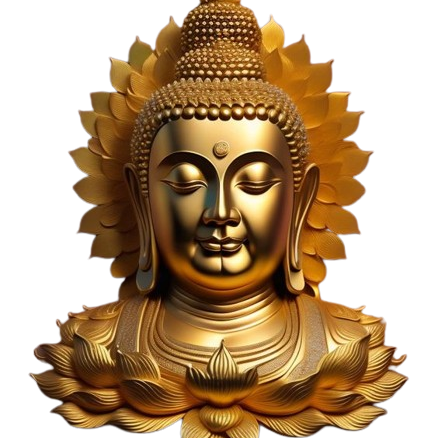
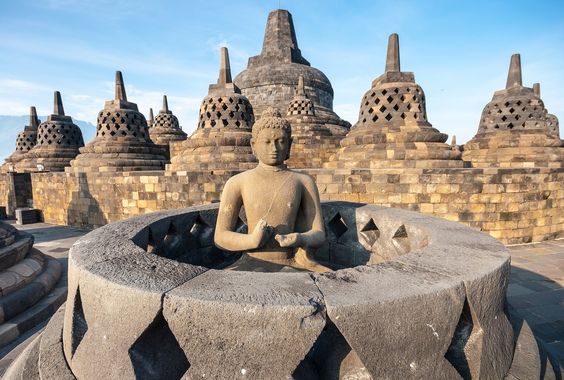
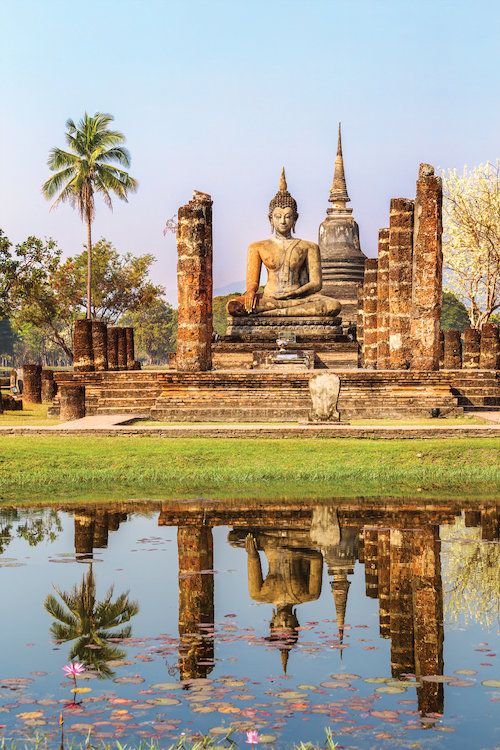
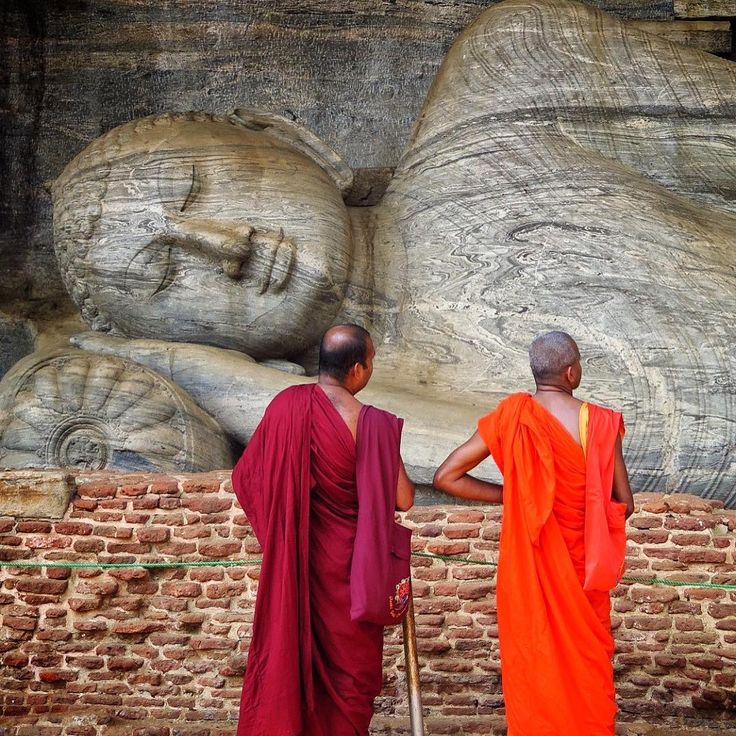
Buddhism, founded by Siddhartha Gautama, emerged in the 6th century BCE in ancient India. Born into the Shakya clan, Siddhartha's life took a transformative turn when he confronted the realities of human suffering during his encounters with old age, sickness, and death. Seeking answers, he renounced his princely life and embarked on a spiritual quest.
After years of ascetic practices, Siddhartha attained enlightenment under the Bodhi tree in Bodh Gaya. This event marked the birth of the Buddha, meaning "the awakened one" or "the enlightened one." The core of his teachings, known as the Four Noble Truths, forms the foundational framework of Buddhism. These truths articulate the nature of suffering, its origin, the possibility of cessation, and the path to liberation.
The Eightfold Path, a guide to ethical and mental development, encompasses right understanding, intention, speech, action, livelihood, effort, mindfulness, and concentration. As the Buddha began sharing his insights, he attracted followers, establishing a monastic community known as the Sangha. Buddhism's essence lies in the pursuit of Nirvana, the liberation from the cycle of birth and death (samsara).